A Comprehensive Guide to Flagpoles


How to Choose and Maintain Flagpoles
Having a flagpole in your yard or business adds a unique touch of patriotism, pride, or branding. In this guide, we'll explore the different types of flagpoles, the materials they're made from, their installation, maintenance, and how to choose the best one for your needs.
Benefits of Flagpoles
Flagpoles serve as a means to showcase your flags, whether they're symbols of national pride or personal expression. Flagpoles are highly visible and serve as a powerful statement for your property. They also increase curb appeal.
Different Types of Flagpoles
Flagpoles come in many varieties, each suited to specific needs and settings. The main types of flagpoles include:
- Telescoping Flagpoles – Telescoping flagpoles are versatile and offer adjustability for different display needs.
- Permanent Flagpoles – In-ground flagpoles are ideal for permanent installations, especially for large flags.
- Wall-Mounted Flagpoles – A wall-mounted pole can be installed on the side of a building, allowing you to display your flag without taking up ground space.
- Ground-Supported Flagpoles – Ground-supported flagpoles are ideal for those who need flexibility in relocating their flags.
Materials Used for Flagpoles
When selecting a flagpole, the material is just as important as its height and design. Common materials used in flagpole construction include:
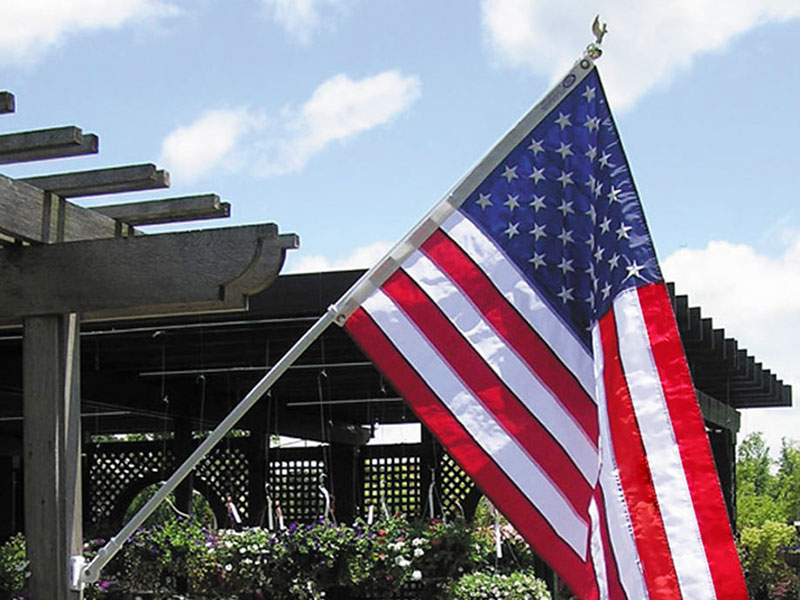
- Aluminum – Flagpoles made of aluminum are durable, easy to maintain, and come in a variety of finishes.
- Fiberglass – Fiberglass flagpoles provide excellent strength while remaining lightweight and easy to maintain.
- Steel – Steel flagpoles are sturdy and long-lasting, often chosen for commercial or heavy-duty use.
- Wood – While less common, wooden flagpoles add a natural charm and elegance to a property.
Installation of Flagpoles
Installing a flagpole requires careful planning and execution to ensure its stability and longevity. Here are the basic steps to install a flagpole:
- Pick the perfect place – Find a flat, open area to install your flagpole.
- Excavate a hole – Dig a hole deep enough to support the base of the flagpole.
- Position the flagpole – It's crucial to ensure that the pole is upright and aligned correctly before setting it permanently.
- Secure the base – Use high-quality concrete to provide a firm foundation for your flagpole.
Maintenance Tips for Flagpoles
Flagpoles require regular care to stay in good condition and continue to fly your flags proudly. Here are some maintenance tips to keep your flagpole in top condition:
- Regular cleaning – Clean your flagpole to remove dirt and prevent rust from forming.
- Examine the pole – Inspect the flagpole for any issues that may affect its stability.
- Lubricate moving parts – Lubricate the flagpole's moving parts to ensure smooth operation.
Choosing the Right Flagpole for Your Needs
The ideal flagpole varies depending on factors such as location, size, and personal taste. Consider the following before making your decision:
- Location – Consider the amount of space available for the flagpole.
- Flag specifications – The size of the flag determines the height and strength of the pole.
- Budget – Consider your budget when selecting a flagpole.
Conclusion
Flagpoles are a wonderful addition to any property, offering both aesthetic and practical benefits. By considering factors like materials, installation, and maintenance, you can ensure that your flagpole serves its purpose efficiently for years to come.